Happiness lies not in the mere possession of money; it lies in the joy of achievement, in the thrill of creative effort.” - Franklin Delano Roosevelt, First Inaugural Address
In her book, YOUR CREATIVE BRAIN, Dr. Shelley Carson shares the psychology and neuroscience of creativity. A Harvard psychologist, Dr. Carson defines creativity as something novel or original and useful or adaptive to some portion of the population. She focuses on the distinction between originality and creativity. Carson indicates that many things are original but aren’t particularly creative. She cites the “word salad” speech of a schizophenic as highly original but it does not appear to have a utility, even to the person uttering the words.
Psychologists used to believe the left brain analyzed with an involvement of sequential thinking and the right brain handled creativity. The a movement developed toward the front-back brain division. The front brain became the gatekeeper and controlled the input from the back brain. Now we think it’s more complicated that either model. It depends upon which stage of the creative process you’re in.
Dr. Carson feels contentment is the enemy of creativity because the creative mind constantly hungers for stimulation.
Creativity involves novelty-seeking. Studies of cognitive behavior have shown you can change brain activation states, alter neurotransmitter levels and the receptors for those neurotransmitters and receptors. Dr. Carson believes, “if we have the ability to change our brains with cognitive behavior therapy, why not use that power to become more novelty-seeking and more creative?’
She adds, to increase creativity, “keep learning new things. Take courses, read widely, and learn how to play a new instrument or how to cook Tuscan food. Learn, learn, learn! Second, try not to judge the things you’re learning. Keep an open mind. Everything you learn is a possible element that may make its way into some future creative idea that you can’t even imagine today. And the more open-minded you remain about what you learn, the more likely you are to see how it can be combined with other information to form a novel and original product or idea."
Develop a novelty-seeking ability.
Thursday, November 3, 2022
Wednesday, November 2, 2022
Find Your Moments of Beauty
A silver bowl filled with snow, a heron hidden in the moon.—Dongshan
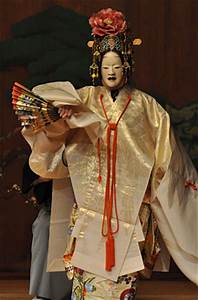
A rebirth of the arts occurred in Japan during the Muromachi period in the 14th century. Poetry and painting flourished and a form of theater called Noh developed. This form used carved masks and combined mime, dance, poetry, and song.
Derived from the Japanese word for "skill or talent, Noh is a form of classical musical drama. Developed by Kan'ami and son, Zeami, Noh tells stories of human passion and struggle from an otherworldly perspective with masks and gestures.
Actors train for a lifetime to communicate universal emotion to the audience.
Zeami wrote the book of dramatic theory called the Kadensho. He shares the secrets of achieving the highest accomplishment as a non actor. With nature images as a metaphor, he refers to various levels of artistic achievement in the performing arts as hana or flowers.
Zeami indicates one of the highest levels of accomplishment occurs when an actor captures a moment of beauty:
. . . piling up snow in a silver bowl . . . the hues that derive from a pure, clean white light, an appearance that gives rise to a real sense of gentleness. Can it not be said that such
Tuesday, November 1, 2022
Upside Down, Inside Out Discoveries
Puddles and reflections encourage ways to view nature upside down. Leaves relax in their m morning spa.
Spokes of spider webs drape from a bridge railing. Dappled with beads of dew, they refract rain from the droplets. Fir trees stand on their heads as squirrels scurry down oak trees in search of breakfast.
Even the herons appear to search for a reversal.
When we take the opportunity to break from the ordinary and move out of a mind set, it clicks our imagination into a fresh gear.
Ideas and ways to view our life's challenges appear from the inside out
with a variety of connections.
Notice the leaves in communal hugs on a park bench. What a better world we'd have if everyone shared a morning upside down and inside out.
Approach the day upside down. What do you have hiding inside that wants to come out?
Subscribe to:
Posts (Atom)