Thursday, September 2, 2021

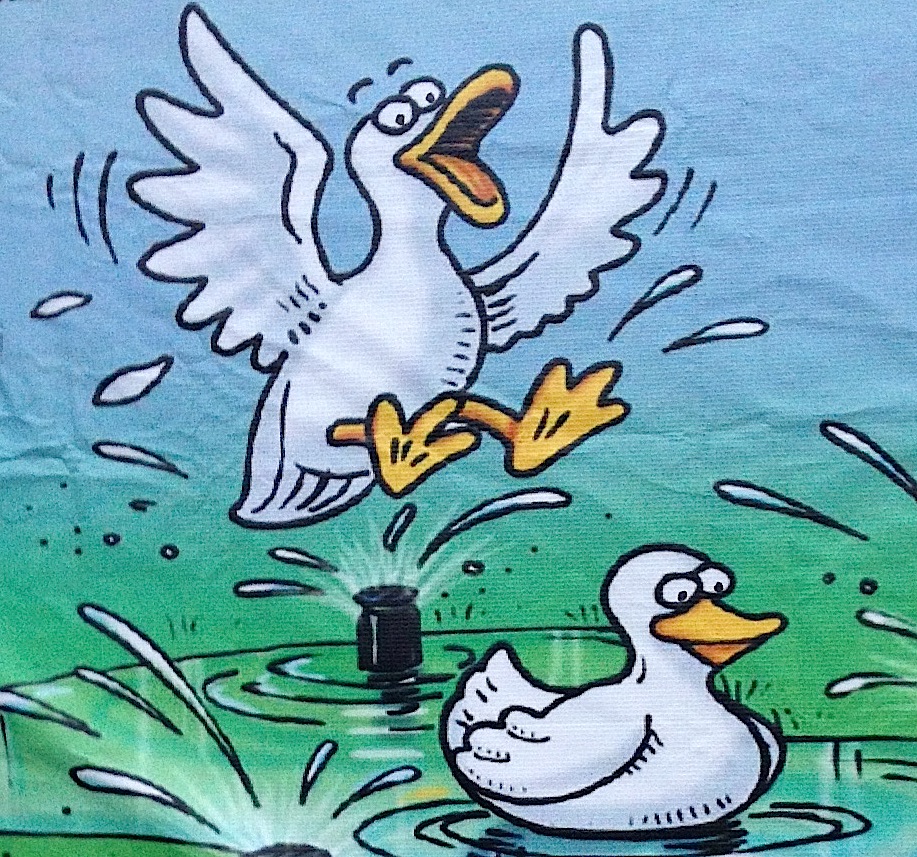
Why I Go to the Duck


My first experience with the image of a duck came during toilet training.  My mother, on the advice of a friend, purchased a yellow plastic duck seat to place appropriately. The duck had a head, tail and a bounce seat, as I recall. I loved the bill and eyes that smiled. Bouncing worked the magic.

"Do you have to go to the duck?" became the training call to action.

We took it in the car when visiting friends. Everywhere I turned, I found my duck. Close buddies we became.

The next duck experience happened at a pond where my parents spent their summers. I loved the variety of ducks and followed them into bushes. One day, I discovered a nest and an egg. I had watched duck mothers sitting on eggs so decided to do that for a half hour a day.

I sat on the egg for days.

When I came home my mother would ask how I'd spent the day.

"I sat on a duck egg," my response.

She accepted my imaginative thinking, sighed and rolled her eyes. 

One day I sat too hard and realized why the mother had abandoned the egg. With the rotten egg clinging to my clothing, my mother now believed my duck egg story. I never had to wear white again. 


I became a duck by marriage to a University of Oregon Duck. More duck-related activities followed when I worked for the University of Oregon Athletic Department tutoring Duck players. 

Now I revel in all Oregon Duck activities by mentoring student athletes. I post Oregon activities on my Facebook page, O POSITIVE DUCKS.


I am so inDuckted, the idea of "Go to the Duck" stimulates excitement and fun.


Nature's Nurture


"All of us have had the experience of wandering through a lush garden or a timeless desert, walking by a river or an ocean, or climbing a mountain and finding ourselves simultaneously calmed and reinvigorated, engaged in mind, refreshed in body and spirit. "- Oliver Sacks

Sacks continues, "Clearly, nature calls to something very deep in us. Biophilia, the love of nature and living things, is an essential part of the human condition. Hortophilia, the desire to interact with, manage, and tend nature, is also deeply instilled in us. The effects of nature’s qualities on health are not only spiritual and emotional but physical and neurological. I have no doubt that they reflect deep changes in the brain’s physiology, and perhaps even its structure." 


Trees energize bird nesting season.


The vibrancy of blossoms colors paths.


Discover the hearts of trees.


Notice shapes and creatures in sunset.

      Benefit from nature's nurture.

Wednesday, September 1, 2021

A Raven's Task

 A raven, frustrated with humans being but not doing, pecks his concern.


Annoyed with what he sees as he flies over cities, he requests help from his friends.

He writes to the animal kingdom encouraging a world of possibility and positivity. 

"Show others how to care, share, and become aware." 

The notes fly in the breeze in beaks of his feathered friends to spread his concerns around the world.


A pony appears and whinnies to those on land and in the air.  Sea critters hear his call.


Taking up his challenge, several creatures call out to others.


Soon all begin actions to reveal friendship. 

Ducks, kittens, bats, and rabbits, lead the group. They enlist friends to climb aboard to show how all types, shapes, sizes, and colors can coordinate and outlast the gravity of  current challenges.


Even creatures from the sea find ways of involvement. Sea horse and turtle give rides and lead the group.


Will the human doings of the world understand and emulate the model created?

Find creative ways to express friendship and responsibility.